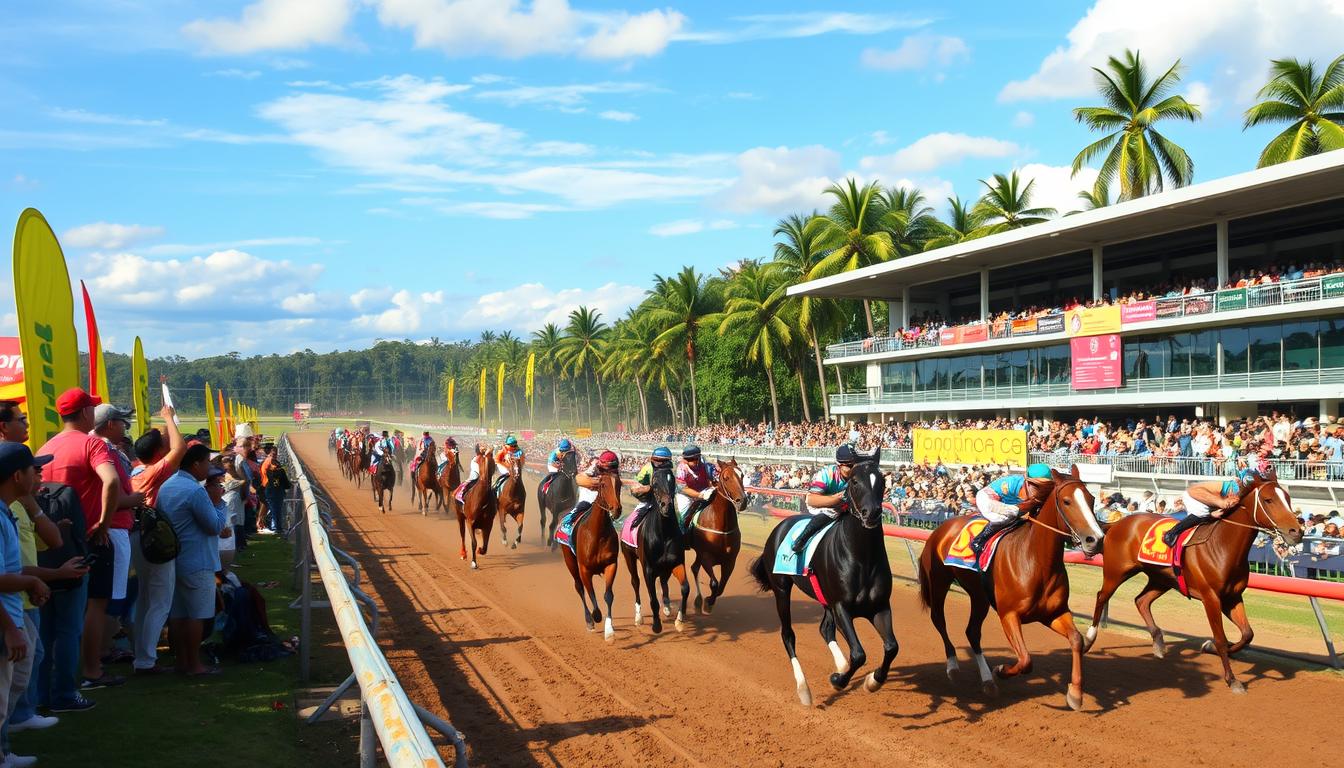
Winning in horse racing relies heavily on understanding key factors rather than luck alone. The most effective way to increase winning chances is by analyzing the horse’s condition, the jockey’s performance, and the track’s current state. Strategic insight into these elements helps bettors make more informed decisions and improve their odds.
It is essential to study past performances and stay updated with relevant news and statistics. Recognizing patterns in races and considering external factors like weather can also provide an edge. With a clear approach and careful observation, anyone can enhance their strategies in horse race betting.
Understanding Horse Racing Rules
Knowing the structure of horse racing, common terms used during races, and how betting odds are set is essential for anyone aiming to increase their chances of winning. These elements provide the foundation to follow races accurately and make informed betting decisions.
Types of Horse Races
Horse races can vary widely, but the most common formats include flat races, jump races (or steeplechase), and harness races. Flat races involve horses running on a level track, focusing purely on speed. Jump races require horses to clear obstacles, demanding stamina and agility.
Races are also categorized by distance, class, and surface type—dirt, turf, or synthetic. Understanding these distinctions helps in evaluating a horse’s suitability for a particular race. For example, some horses perform better on turf, while others excel on dirt surfaces.
Additionally, races are divided by age and skill level, such as maiden races for horses that have never won before and handicap races where weights are adjusted to equalize competition.
Basic Race Terminology
Familiarity with key terms enhances comprehension of race dynamics and strategy. Some essential terms include:
- Jockey: The rider who guides the horse during the race.
- Post Position: The starting gate slot assigned to each horse, which can affect race tactics.
- Furlong: A unit of distance equal to one-eighth of a mile, commonly used in race lengths.
- Handicap: A system where horses carry different weights to balance competition.
- Pace: The speed at which the race is run, often controlled by the jockey.
- Photo Finish: Used to determine the winner in very close races.
Understanding these terms allows better tracking of the race and the factors influencing outcomes.
How Odds Work
Odds represent the likelihood of a horse winning as determined by bookmakers, bettors, and the betting pool. They are typically displayed in fractional or decimal formats and indicate potential returns.
For example, odds of 5/1 (five to one) mean that a bettor will win five times their stake if the horse wins, plus the original bet back. Lower odds (e.g., 2/1) suggest a favorite with higher chances, while higher odds (e.g., 20/1) imply an underdog.
Odds fluctuate based on betting volume and new information such as track conditions or horse form. Understanding odds helps bettors assess risk and identify value bets, balancing potential profit against likelihood of success.
Evaluating Horse Performance
Careful evaluation of a horse’s ability relies on examining detailed past results, current health, and documented racing behavior. These elements establish a solid foundation for making informed decisions in horse racing.
Analyzing Past Performance
Reviewing a horse’s previous races provides critical insight into its abilities and consistency. Key factors include finishing positions, times, competition level, and track conditions. Consistent top finishes against strong competitors indicate reliability.
Patterns in how a horse performs on specific track types or distances are also important. For example, a horse that excels on turf but struggles on dirt should be noted. Historical speed figures and sectional timings reveal latent speed and stamina traits.
Recording changes in form between races can highlight progression or decline. Sudden drops in performance might signal injury or loss of motivation. Betting decisions benefit from focusing on horses with a stable or improving form line.
Assessing Fitness Levels
The physical condition of a horse directly impacts race outcomes. Signs of peak fitness include muscle tone, alertness, and smooth gait during training sessions. Fitness assessment involves veterinarians, trainers, and jockeys collaborating closely.
Training intensity and recovery patterns offer clues to readiness. A well-conditioned horse will maintain consistent performance without signs of fatigue during preparatory runs.
Trainers typically monitor vital indicators such as respiratory rate, heart rate recovery, and weight. Horses exhibiting optimal physical metrics before the race are better equipped to handle race demands.
Importance of Racing Form
Racing form is a comprehensive record combining past performance, track conditions, and other variables. It provides a snapshot of how a horse is expected to run in upcoming competitions.
Form analysis often includes pace strategy, noting whether a horse performs better when leading, stalking, or closing. Some horses respond well to early speed; others conserve energy for a strong finish.
Jockey influence and equipment changes reflected in the form can affect results. For instance, the addition of blinkers might improve focus, impacting race performance.
Racing form solidifies predictive accuracy when paired with external conditions such as weather and track surface on race day.
Choosing the Right Jockey
Selecting the right jockey involves assessing their past performance and understanding how their riding style can influence race outcomes. Both experience and strategic decision-making during the race significantly affect the horse’s potential to win.
Reviewing Jockey Experience
A jockey’s experience is measurable through their track record, including win rates, placements, and consistency across different race conditions. Experienced jockeys often have a better sense of timing for bursts of speed and can adapt quickly to unexpected race developments.
It is important to consider their familiarity with the specific horse and track. Jockeys who have ridden the horse before tend to have a deeper understanding of its strengths and weaknesses. This can translate into smoother communication and better control during the race.
Reviewing recent form is also critical. A jockey in good form, actively winning or placing well, indicates current sharpness and confidence, which can motivate both rider and horse to perform better.
Impact of Rider Strategies
Jockey strategies vary and can include pacing, positioning within the group, and timing the final sprint. Those who excel at conserving the horse’s energy early and choosing the optimal moment to accelerate often improve winning chances.
The ability to read race dynamics is essential. A skilled jockey anticipates competitors’ moves and adjusts tactics mid-race, such as moving the horse to avoid traffic or exploiting weak spots in rivals’ positioning.
Communication between jockey and trainer also plays a role. Effective strategy includes understanding the trainer’s plan and executing it while staying alert to real-time race conditions, making split-second decisions that can change the race’s outcome.
Examining Track Conditions
Track conditions significantly impact a horse’s performance and require careful consideration. Factors such as weather and the type of track surface shape race dynamics and influence strategy decisions.
Weather Effects on Racing
Weather plays a crucial role in how a race unfolds. Rain typically softens the track, creating muddy or slippery surfaces that reduce traction. Horses that excel on dry, firm ground may struggle under wet conditions, whereas some horses perform better in softer tracks due to their running style or hoof structure.
Wind direction and speed also affect stamina and pacing. Headwinds can slow horses down and tire them faster, while tailwinds may provide an advantage by pushing them forward. Temperature affects horse hydration and muscle performance, with extreme heat or cold potentially causing fatigue or stiffness. Monitoring weather forecasts helps in anticipating these changes and adjusting betting or race tactics accordingly.
Understanding Track Surfaces
The two primary track surfaces are dirt and turf, each with specific characteristics influencing horse speed and safety. Dirt tracks provide firm footing but may become packed or sloppy depending on moisture levels. Turf tracks are generally softer and more forgiving but can vary widely in grass length, moisture, and firmness.
Synthetic or all-weather surfaces combine materials designed to reduce injuries and consistently absorb impact regardless of weather. Each surface demands different hoof care and training adjustments. Performance records on specific surfaces give valuable insights into a horse’s adaptability and potential success on race day. Spectators and bettors should observe recent track condition reports to identify favorable matchups between horses and surfaces.
Effective Betting Strategies
Successful horse race betting relies on disciplined risk control, understanding different wager types, and identifying bets with favorable odds relative to their likelihood. These elements collectively enhance a bettor’s ability to make informed decisions and manage their funds effectively.
Bankroll Management
Proper bankroll management is fundamental to sustainable betting. A bettor should set aside a fixed amount exclusively for betting and avoid exceeding that limit regardless of short-term wins or losses. Dividing the bankroll into smaller units—typically 1-5% per bet—helps limit losses and prolongs participation.
Maintaining records of bets and outcomes is also critical. This practice assists in identifying successful strategies and adjusting bet sizes accordingly. Consistency in bet sizing, combined with a measured approach to risk, prevents emotional decisions that often lead to large losses.
Popular Betting Types
Understanding the main types of horse race bets allows a bettor to tailor strategies based on risk tolerance and expected returns. The three primary types are:
- Win: Betting on a horse to finish first. It offers the simplest and often the most straightforward payout.
- Place: Betting on a horse to finish first or second, reducing risk but offering smaller returns.
- Show: Betting on a horse to finish in the top three. This bet further reduces risk but with lower payouts.
Other complex bets, such as exactas or trifectas, involve predicting the finishing order of multiple horses and carry higher risk with potentially larger rewards.
Spotting Value Bets
Identifying value bets means recognizing when a horse’s odds underestimate its chance of winning or placing well. Successful bettors analyze multiple factors including past performances, jockey and trainer statistics, track conditions, and race distance.
Comparing these insights against the offered odds highlights opportunities where the potential payout exceeds the calculated risk. Seeking out such bets requires thorough research and avoiding bets driven purely by favorites or public sentiment. Value betting is essential for achieving profits in the long term.
Common Mistakes to Avoid
Many bettors make avoidable errors that reduce their chances of winning. These typically involve neglecting important race data and failing to understand how certain conditions influence outcomes.
Overlooking Recent Performance
Ignoring how a horse has performed in its latest races is a critical mistake. Recent results reveal the current form and fitness of the horse, which are far more relevant than older performances.
A horse that ran poorly in its last few races might be injured or out of shape. Conversely, one with consistent recent wins or strong finishes is likely in peak condition.
Bettors should review not only finishing positions but also factors like race pace, competition level, and track conditions in those past performances. This detailed examination helps avoid placing bets based on outdated or misleading data.
Ignoring Track Bias
Track bias occurs when certain parts of a racetrack favor specific running styles or post positions. Failing to recognize this can lead to inaccurate predictions and poor wager choices.
For instance, some tracks favor horses racing close to the rail, while others benefit front-runners or horses that close strongly late. Track bias often changes depending on weather, maintenance, and surface conditions.
A bettor must study how the bias has influenced recent races at the track in question. This includes noting which lanes or running positions produce better results and adjusting betting strategies accordingly. Ignoring this insight lowers the chance of success significantly.
Improving Knowledge and Skill
Success in horse racing requires a deep understanding of the sport and continuous learning. Effective methods include staying updated on racing developments and studying expert analyses to enhance decision-making.
Staying Informed with Racing News
Keeping up with current racing news helps in assessing the condition of horses, jockeys, and tracks. Information such as recent race results, injury reports, and training updates can signal changes in a horse’s form or potential performance issues. Additionally, weather and track condition updates are crucial as they directly impact race outcomes.
Regularly reviewing official racing publications, websites, and trusted media sources allows a bettor to evaluate patterns and trends. This practice sharpens the ability to identify favorites or overlooked contenders based on factual data rather than speculation.
Learning from Professional Handicappers
Professional handicappers analyze extensive race data to predict outcomes accurately. Studying their methods offers valuable insights into interpreting race statistics, horse conditioning, and strategic betting.
They often share detailed breakdowns of factors like pace, jockey skill, and previous performance under similar conditions. This information equips learners with practical tools to make informed wagers, improve strategy, and avoid common pitfalls. Adopting some of these analytical techniques contributes significantly to gaining an edge in horse racing.
Developing a Winning Mindset
Success in horse racing relies heavily on mental preparedness alongside physical skill. Developing a winning mindset helps jockeys and trainers maintain focus and make quick decisions during the race.
Practicing mindfulness is crucial. It enhances concentration by keeping attention on the present moment, reducing distractions caused by pressure and noise at the track. Being fully aware allows a rider to respond effectively to changing race dynamics.
Visualization techniques also play a significant role. By mentally rehearsing the race, a rider can anticipate possible scenarios and prepare strategies in advance. This mental practice improves confidence and reaction time during the event.
Key elements of a winning mindset include:
| Element | Description |
|---|---|
| Focus | Maintaining attention on key race factors |
| Precision | Executing movements with exact timing |
| Split-second decisions | Making rapid calls to adapt to opponents |
Experience combined with mental training sharpens a rider’s intuition. They learn to read the horse’s stamina and adjust tactics accordingly. This balance between mental and physical readiness maximizes performance potential on race day.




Leave a Reply